Tcules Future Interfaces Lab: experiments in how AI changes software
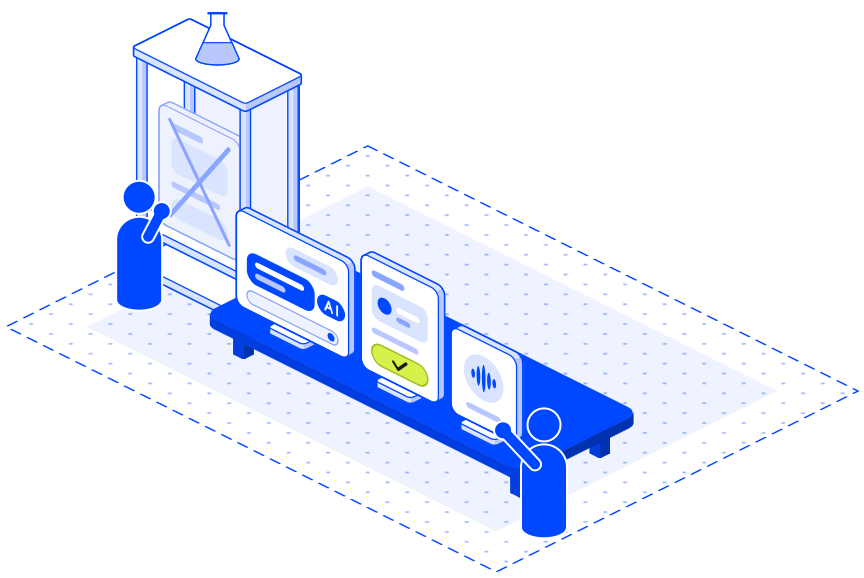
The Lab is where Tcules works on the software that comes next. We run our own experiments here: prototypes, internal tools, datasets and learning programmes that explore how AI is changing the way software is designed, built and used.
What the Future Interfaces Lab is for
Some questions are too early for a client project but concrete enough to test. An experiment needs room to change shape, or to show that an idea is a dead end. The Lab gives that work a home.
Where we think software interfaces are heading
Three shifts shape what the Lab works on. Software is starting to act as well as answer. Agents carry out work across tools, so the design question moves from what a screen shows to what a person delegates, approves and can undo.
Interfaces are opening up to more languages and more ways of speaking to them. Voice and local languages can bring software to people who never got on with forms and menus. Our Gujarati maths tutor is a first test of what that asks of a conversation.
Design is gaining a machine reader. When AI tools build interfaces, a design system becomes instructions as well as a library. The pattern labelling tool tests how to describe a pattern so people and machines read it the same way, and Matter's purpose-named tokens show where that kind of description starts.
Design and AI experiments: internal tools for design work
Questions we are testing here: can AI help review a product without dulling a designer's judgement? Can one description of an interface pattern serve people and machines?
Matter Design System
A free Figma design system we made and published. Colours, spacing and other values are named for their purpose, and components are built from smaller parts.
AI Design Audit Agent
Tests how much of a first-pass design review AI can take on, with what it observed kept apart from what it means and what to fix first.
UI Pattern Vision Labelling Tool
A labelling tool that tests whether interface patterns can be described in a form designers recognise and machines can work with.
Landing Page Audit Programme
A practice programme for critiquing landing pages: less personal preference, more about what the page shows, what that costs and what to change.
AI interface experiments: how people use AI products
Questions we are testing here: how should a voice interface handle mishearing? How can a shopping assistant stay clear when the shopper is unsure? How can work carry over when it moves between AI models?
Open Canvas Workflow Builder
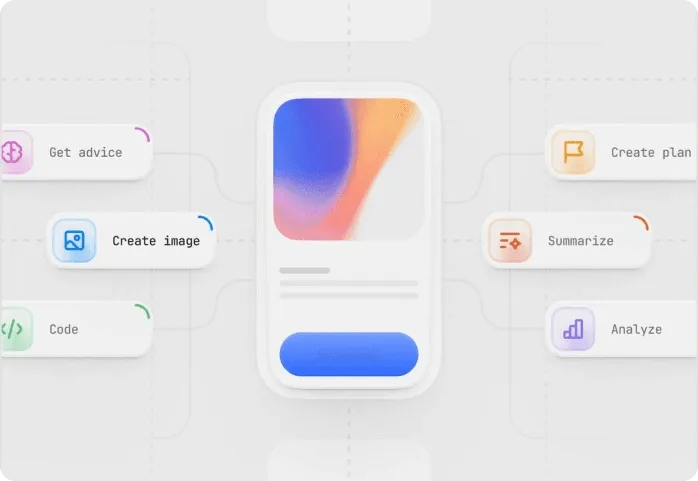
A workflow experiment for knowledge work across several AI models. Progress and reasoning have to carry over between tools.
Gujarati Voice AI Math Tutor
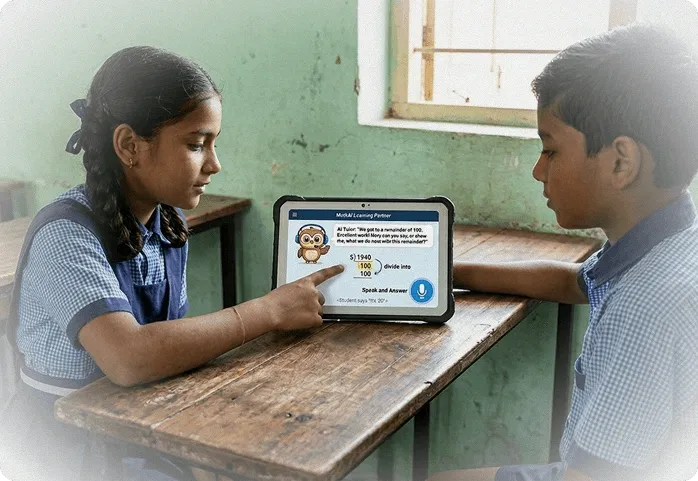
A spoken maths tutoring experiment for Indic languages. It explores how recognition confidence, accents, hesitation, correction and pacing shape the conversation between a learner and the tutor.
Shopping Assistant Programme
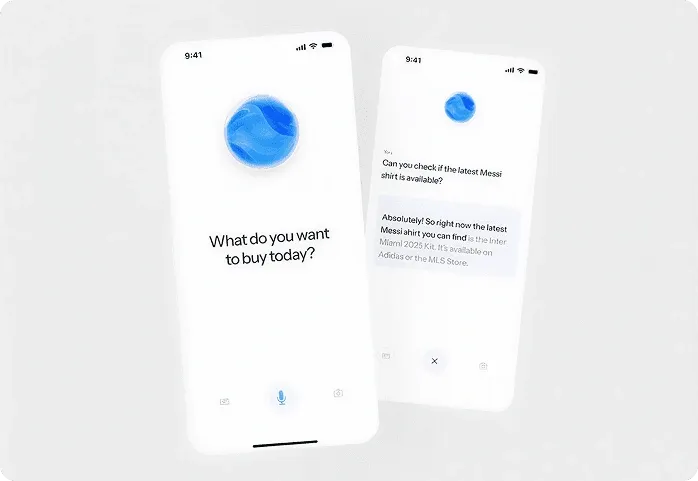
A commerce experiment in AI shopping help, where search, follow-up questions and recommendations stay clear as the shopper changes their mind.
What an experiment needs to earn a place in the Lab
Each item needs something real to look at. That could be a prototype, a working tool, a dataset, a reusable design file, a documented experiment or a learning programme with a clear goal. The list holds only what we have built.
Some work is public, some we can demonstrate on request, and some stays internal. Anything public carries its own reuse terms.
When a Lab experiment becomes everyday studio practice
When something keeps proving useful, it moves out of the Lab. A method joins How we work, a public aid becomes one of our tools, a lasting definition goes into the glossary, and work for a client becomes a case study.
Questions about the Tcules Future Interfaces Lab
What is the Tcules Future Interfaces Lab?
It is where Tcules runs its own experiments, apart from client projects. The Lab holds prototypes, internal tools, datasets and learning programmes that explore how AI is changing the way software is designed, built and used.
What AI experiments has Tcules built?
The Lab lists an AI Design Audit Agent, a UI Pattern Vision Labelling Tool, an Open Canvas Workflow Builder, a Gujarati Voice AI Math Tutor and a Shopping Assistant Programme. Some of this work is public, some we can demonstrate on request, and some stays internal.
Does Tcules run learning programmes?
Yes. The Landing Page Audit Programme is a practice programme for critiquing landing pages by what the page shows, what that costs and what to change.
Which questions about AI interfaces does the Lab test?
Current experiments ask how a voice interface should handle mishearing, and how a shopping assistant can stay clear when the shopper is unsure. Another asks how progress and reasoning can carry over when work moves between AI models.
Apply to work on Lab projects
People who want to work on Lab projects can apply through the Lab application page, which shows what is open now and on what terms.
Talk to us
Want to work on an experiment with us, or talk about your own product? Send a note through our contact page.