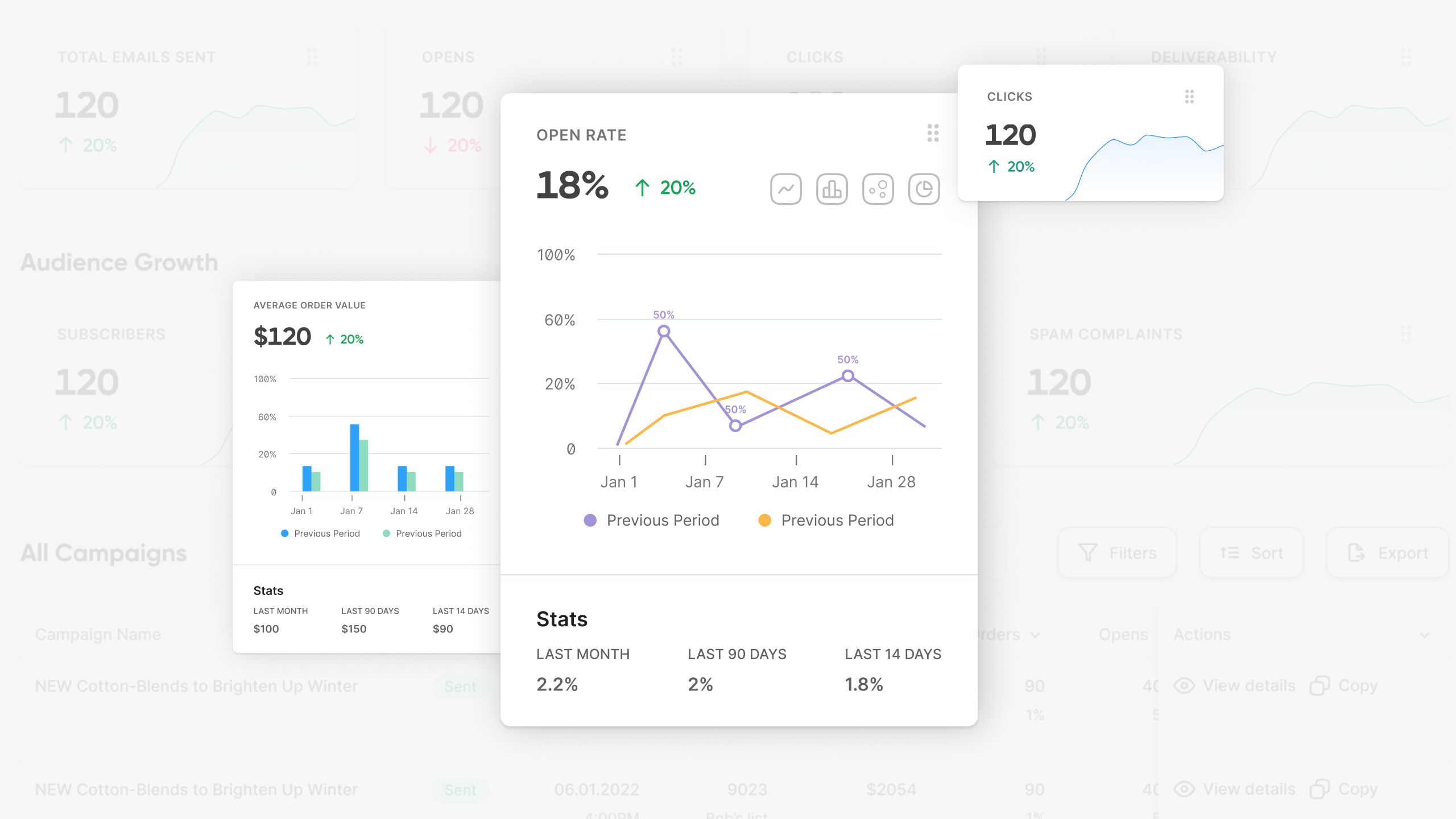
Tcules combined heuristic (expert usability) review, stakeholder conversations, competitor analysis, user interviews and product analytics to decide which changes came first. We then developed information architecture, prototypes and reusable interface rules.
Reporting became the first move, and the shared rules behind it give later work across the product the same logic to follow.
Related Tcules services: Product Redesign and Data Visualisation.
Five research inputs that made reporting the first priority
Ryzeo wanted the product to contribute more to customer growth and retention. Tcules examined where the experience was making it harder for customers to understand value and use the product effectively.
Each input showed something different:
- stakeholder conversations revealed business and roadmap concerns
- competitor analysis exposed category expectations and alternatives
- user interviews gave qualitative accounts of work and friction
- product analytics showed where behaviour occurred
- heuristic review identified interaction and information problems to examine further
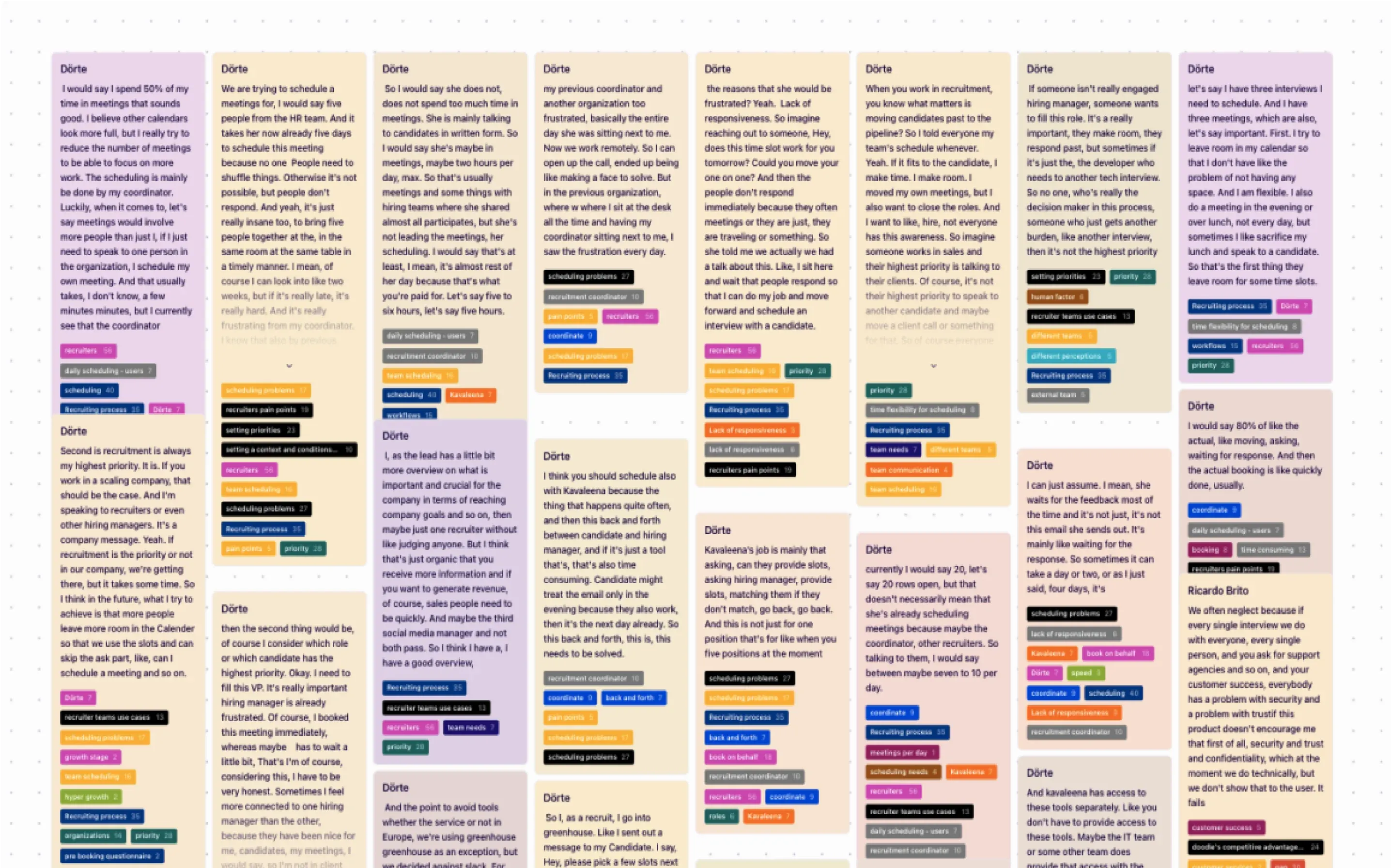
Thematic analysis of interview notes for the marketing-automation redesign
The priority came from all five inputs together. That showed the team where a redesign could make a coherent first step.
Reporting redesign: reports that help customers choose their next move
In a marketing-automation product, a good report helps a user answer four questions: what happened, what may have contributed, what needs attention and what to do next. A customisable report can be more relevant, but it can also bring setup effort and conflicting definitions.
Customers wanted more useful insights from the reports. Tcules made that need the priority. We worked on how information was organised and how people could tailor the view to the questions they were asking.
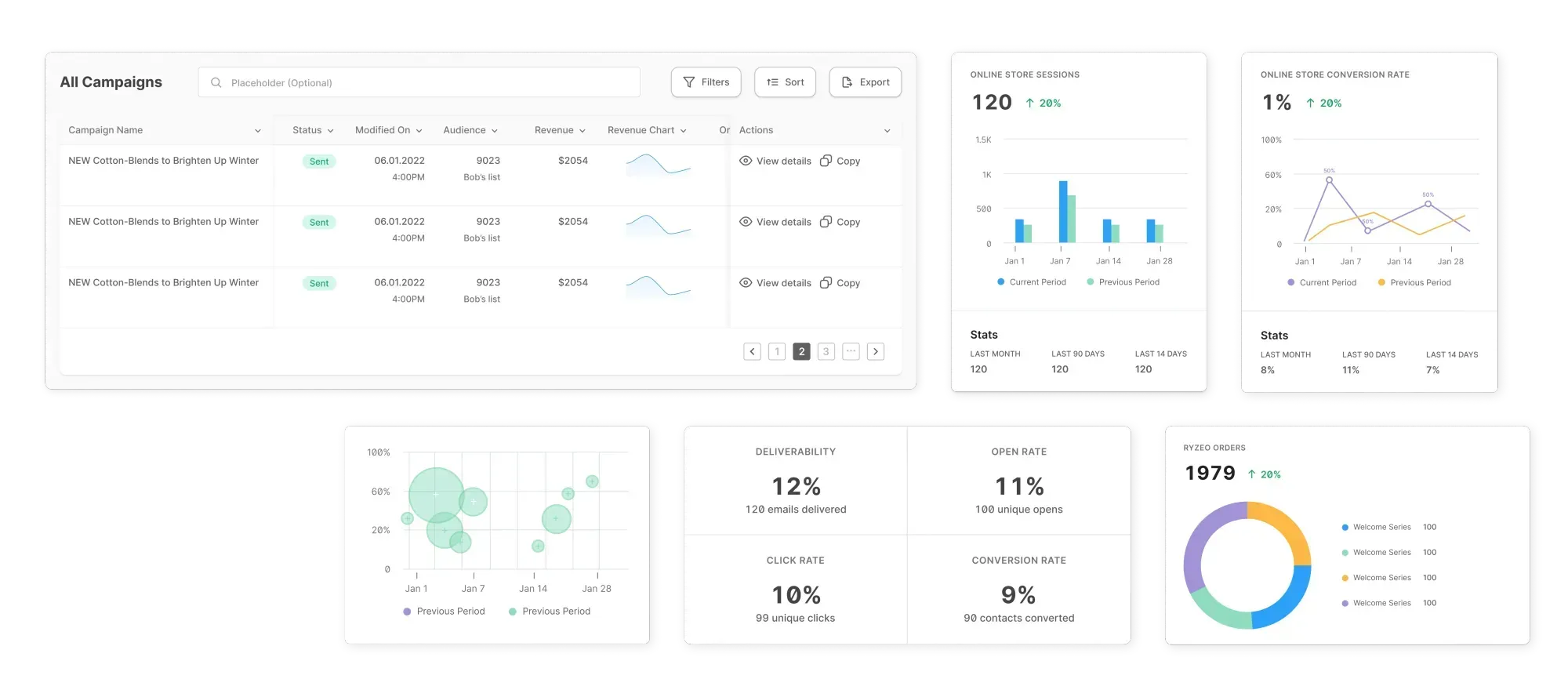
Ryzeo reporting dashboard built from shared card components
Shared components and rules that carried the reporting redesign further
Tcules developed the information architecture, mid- and high-fidelity wireframes, prototypes, and a design system built from reusable components, with documentation. A shared system turned one reporting redesign into rules the rest of the product can use.
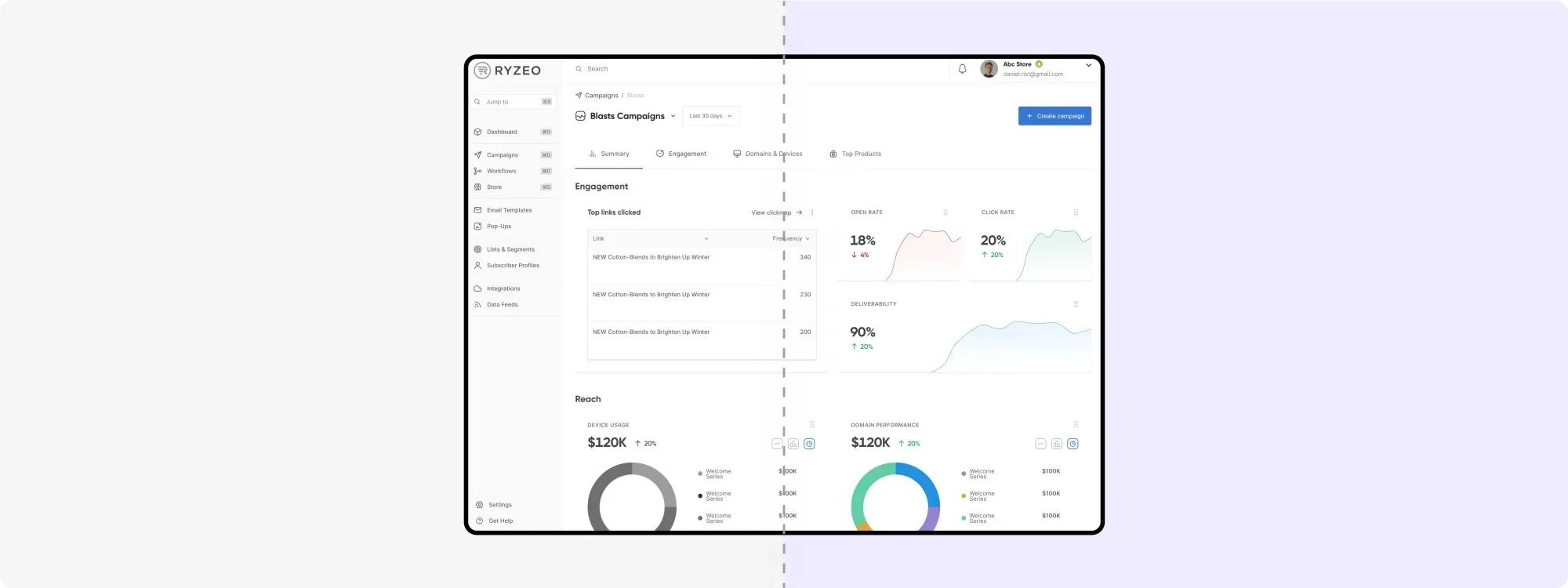
Ryzeo high-fidelity screens and prototype
Components and shared rules let repeated filters, states, data treatments and navigation patterns look and behave consistently. Documentation tied the visual choices to later product work.
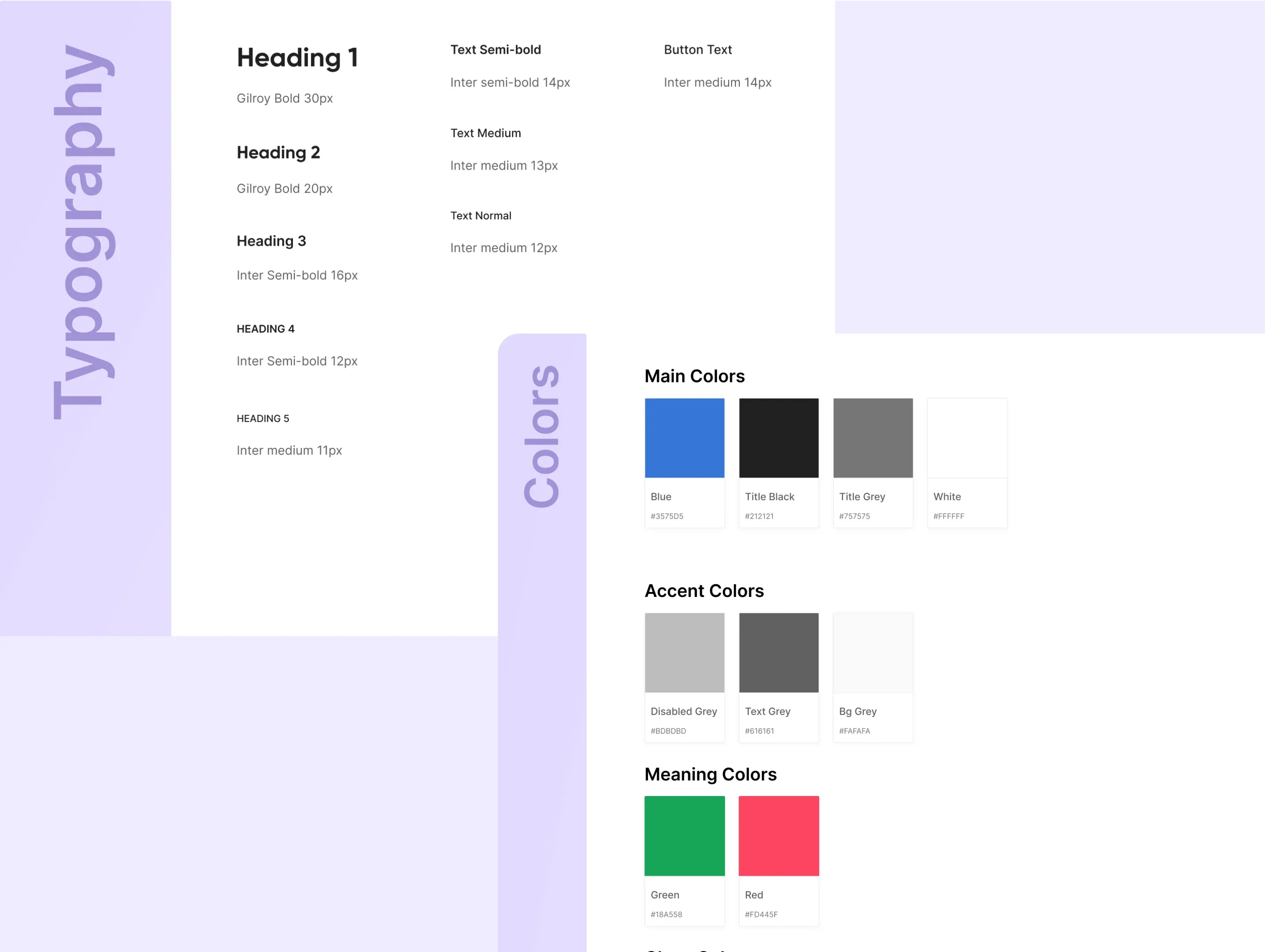
Ryzeo style guide: typography and colours
What Ryzeo gained from the marketing automation SaaS redesign
Ryzeo received a redesign direction that made reporting more useful and gave recurring interface choices a shared home. Information architecture, prototypes and documented components connected the immediate work to future product development.
Ryzeo started with reporting, one of its most valuable areas, and came away with the rules for the screens after it.
What to redesign first when the roadmap holds too many problems
When a roadmap holds more valid problems than one team can tackle coherently, choose the first SaaS Product Redesign target by consequence and dependency.
Start with four questions:
- Which choice are users currently making badly?
- What data supports that diagnosis?
- Which other product areas depend on the same objects or interface rules?
- What would the team need to release and observe before calling the change useful?
In Ryzeo's words
“Our customers wanted reports that answered their own questions. Tcules researched how they used our reporting, redesigned it and gave us shared rules for filters, states and data, so new work can follow the same logic.”
Questions about the Ryzeo case study
What did Tcules do for Ryzeo?
Tcules researched and redesigned reporting in Ryzeo, marketing-automation software for ecommerce teams. Heuristic review, stakeholder conversations, competitor analysis, user interviews and product analytics came first, followed by information architecture, prototypes and a documented component system.
How do you decide what to redesign first in a SaaS product?
Choose the first target by consequence and dependency. Ask which choice users currently make badly, what data supports that diagnosis and which other areas share the same objects or interface rules. On Ryzeo, five research inputs together pointed to reporting.
Why did Ryzeo's redesign start with reporting?
Customers wanted more useful insights from their reports, and Ryzeo wanted the product to contribute more to customer growth and retention. Tcules made that need the priority, working on how information was organised and how people could tailor the view.
What did the shared component system cover?
Repeated filters, states, data treatments and navigation patterns, with documentation tying the visual choices to later product work. With it, the reporting redesign sets a pattern that later work across the product can follow. Related work sits under MarTech and SalesTech.