Healthcare UX design for apps patients, clinicians and carers can trust
With our healthcare UX design, each person gets a clear next step and a plain consent request, and your clinical safety lead reviews screens early.
2017
Founded
90+
Projects
19
Countries with clients
What we design in HealthTech and digital health
For founders and product teams in digital health, from a first concept to software in daily use.
Care platforms that connect families with carers at home
CuramCare
Apps for carers on home visits, used on a phone
CuramCare
Portals and admin tools for healthcare professionals' congress travel
Vovisto
Clinician tools that sit beside the patient record
The one thing needed, found between patients
Patient portals for results, appointments and messages
Every result with what happens next
Remote check-in apps for care after a hospital stay
A plain answer on when someone will look
Related product design work
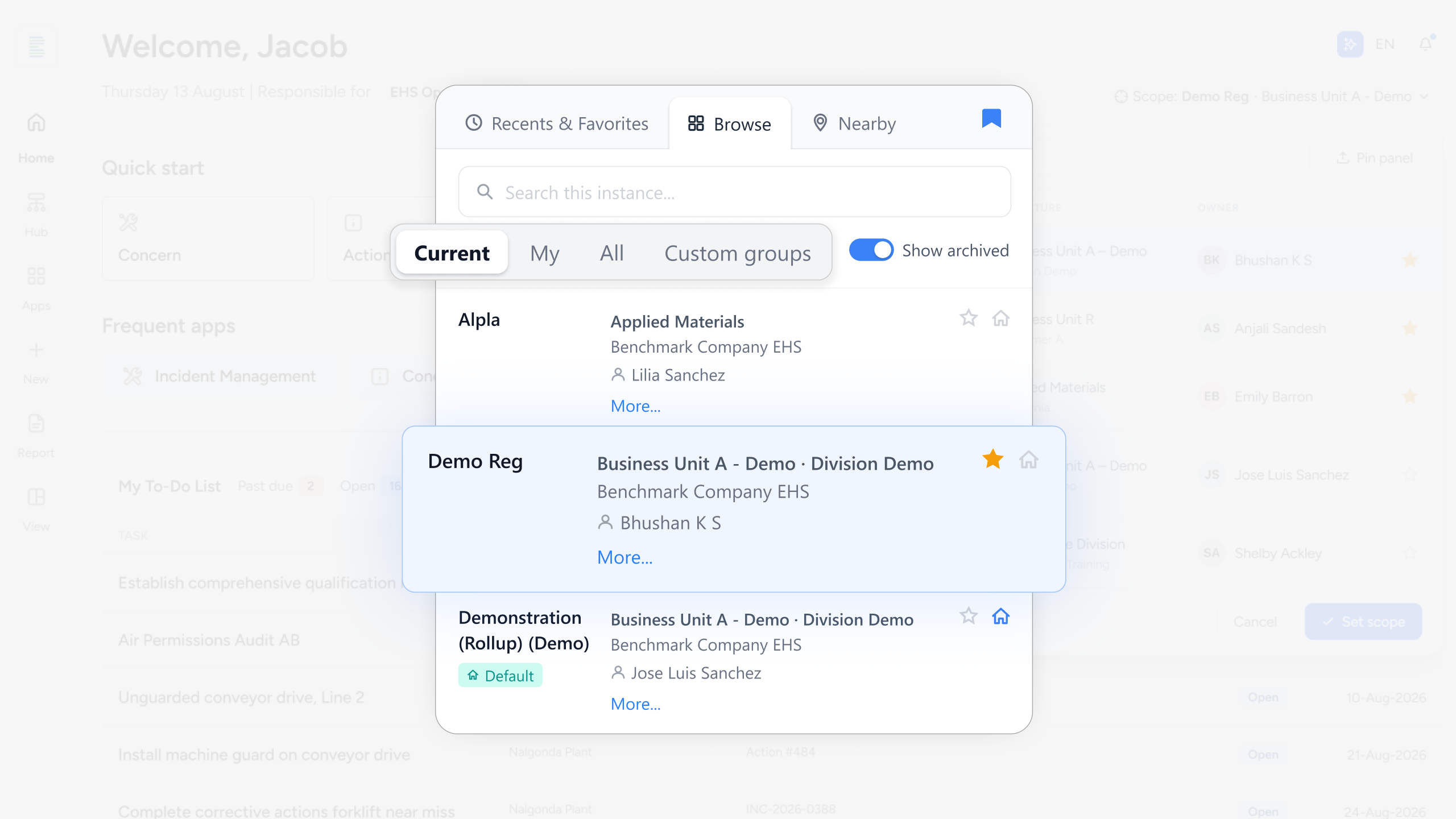
Benchmark Gensuite: three clear views for choosing where you work
Benchmark Gensuite's safety and sustainability suite rests on the scope selector, where people say which part of the organisation they work in. Choose wrongly, and the wrong records appear, looking right. Our redesign gives it three views with their own search boundaries, one listing sites by where the person stands.
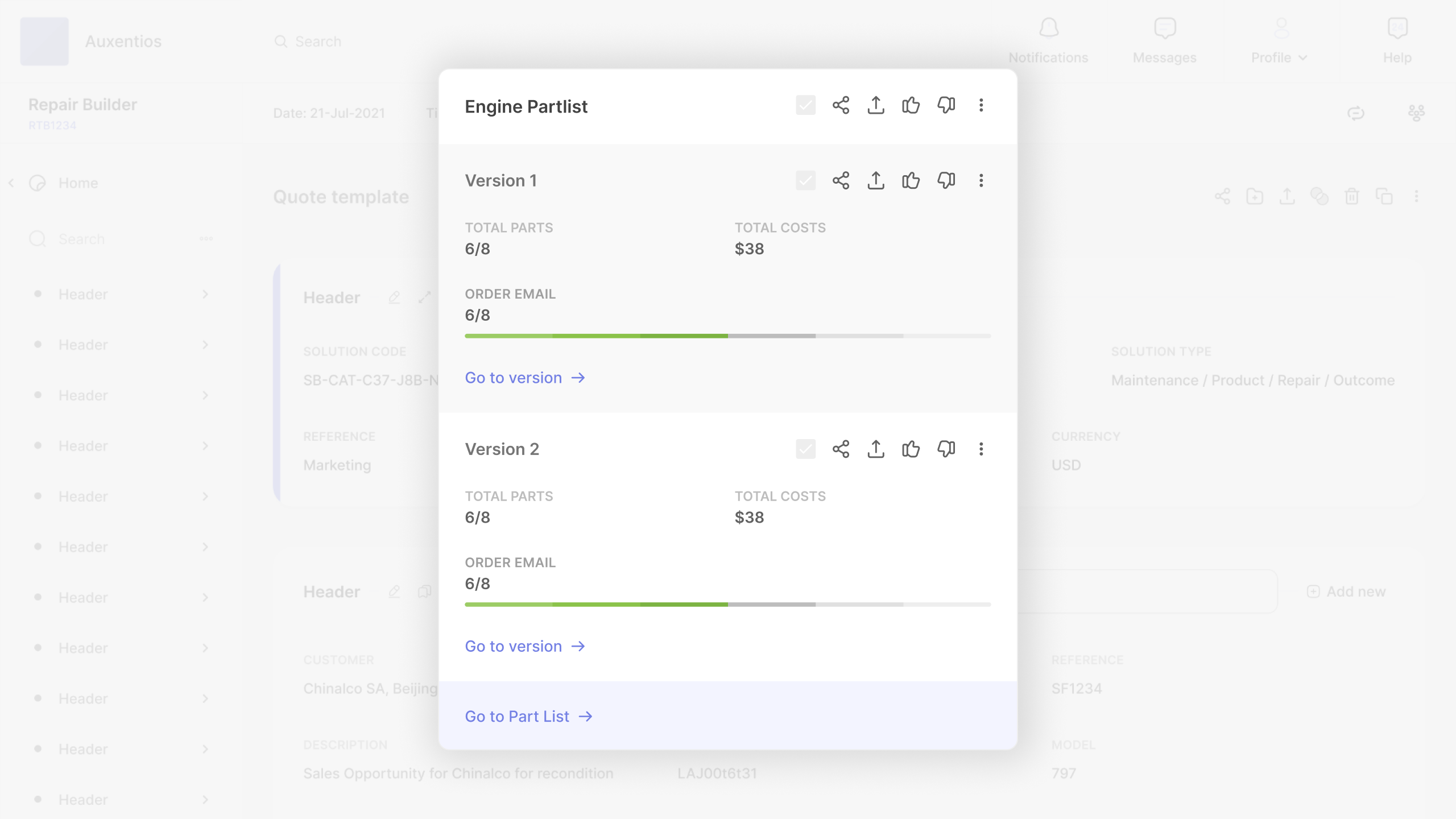
Auxentios: six roles, one record, each with its own part
Each Auxentios quotation passes through six specialist roles in no fixed order. We interviewed people in all six, then designed one shared quotation where each role works on its own part. A care record that family, carers and clinicians share needs the same shape.
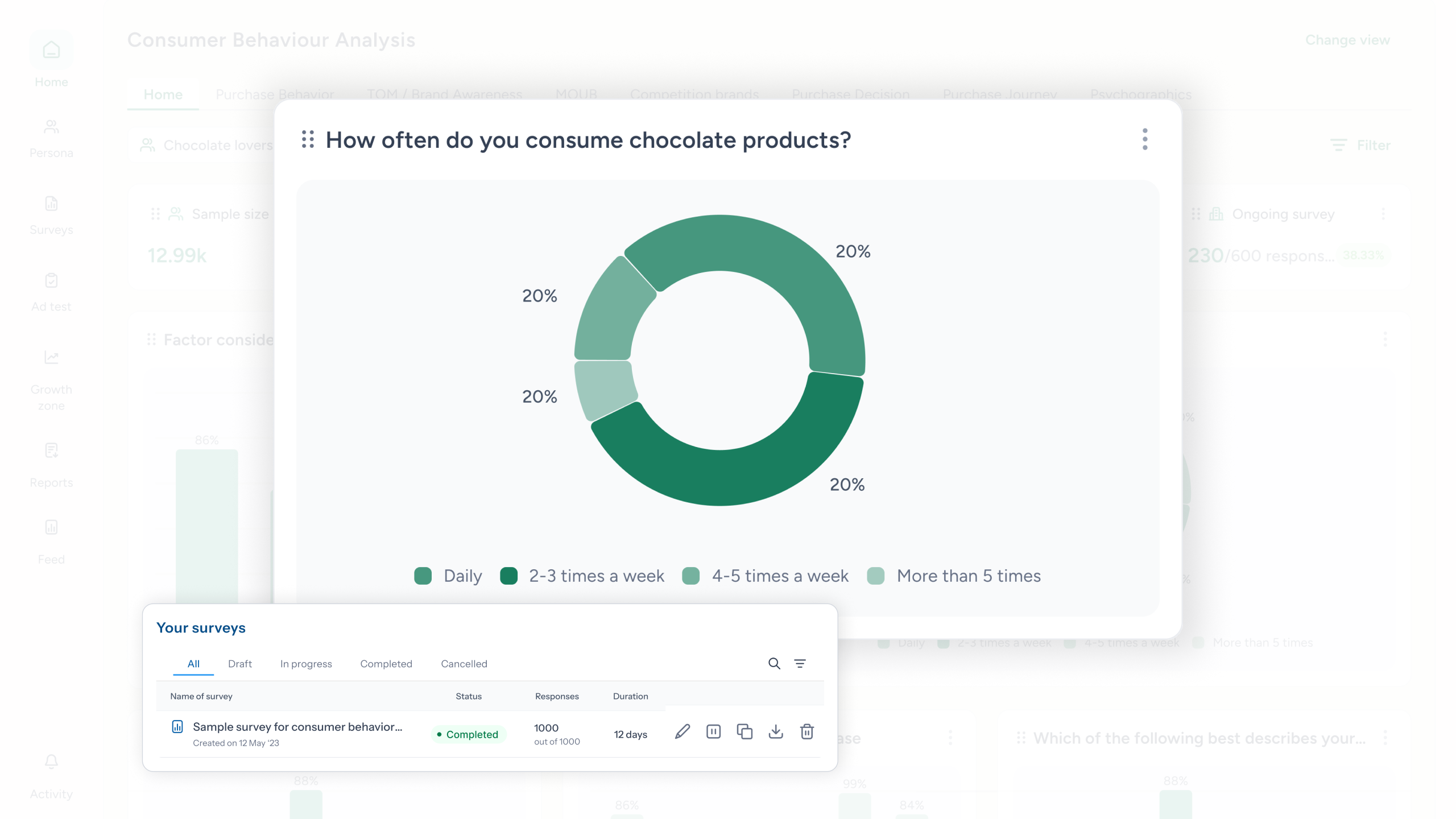
Novus Insights: an expert answers for what the AI drafted
In the MVP we designed for Novus Insights' survey product, AI drafts the questionnaire and the researcher stays responsible for it. Each generated question carries its source prompt, and a rewrite keeps the original visible beneath it, the record a clinician needs beside an AI-drafted note.
Digital health UX design for everyone around one patient
Health software rarely has one user, and the people around a patient seldom meet. The product has to carry what one of them knows to the next. Otherwise every unanswered question becomes a phone call or a note on paper.
"Who will see this, and what happens after I press send?"
A patient or family member
"Where is the one thing I need for this patient?"
A clinician with a full list
"What is next on this visit, and has my note saved?"
A carer or field worker on a phone
"Have I sent you everything, and what is already booked?"
A healthcare professional using a portal
"Which cases need us today, and who is waiting on whom?"
An operations team
"Can we show how this was designed and tested?"
Your clinical safety or compliance lead
What you get when Tcules designs your health product
We take on health products with several kinds of user and a safety or privacy review to pass, new or live.
Who does the work
The design sits with a senior product designer, who also leads the project, and an account lead keeps it on track. Researchers come in for work with patients and carers, and design engineers or developers when the design moves into code.
What we need from you
Your clinical safety and privacy leads from the first week, with the hazards and requirements they already know. We also need access to the people who will use the product and someone with the authority to make product decisions.
Where our part stops
Hazard logs, risk assessments and medical device classification stay with your clinical safety, privacy and regulatory specialists, and clinical rules come from your clinicians. We design and document so their review has something solid to check.
A health service that exists only as a concept, as Vovisto's once did, can start with Design-led MVP Development. A live platform people struggle with suits Product Redesign, or a UX & Product Audit when nobody can trace the complaints to one cause.
What clients say
Three ways to work with us
Not sure which suits you?
Tell us about the product, and we'll suggest one.
Tell us what you’re working on
Why founders and product teams choose Tcules
Fluent in SaaS
Roles, permissions and data-heavy screens need no explaining to us.
Idea to launch
Bring an idea or your own prototype. Designers lead it through to launch.
Craft people notice
Your product stands out from lookalike software and feels effortless to use.
Evidence before screens
We test your assumptions with real users before they become expensive mistakes.
Seen your problem before
Senior designers who've solved problems like yours lead your product and do the work.
Start small
An optional fixed-price pilot lets you try us first, and ongoing work has no minimum term.
Tell us who your health product is for
Patients, professionals, staff or all three. Share where they ring for help or go back to paper.
Questions about healthcare UX design
Will you make our product HIPAA or GDPR compliant?
We design every consent, sharing and access step to the requirements your privacy, security and legal advisers set. That covers what people are asked for, when it is explained and who can see what. They decide what compliance means for your product.
Can designers work with our clinical safety officer?
Yes. If you face an NHS DTAC assessment or a regulator's review, the risk assessment is theirs, and Tcules works alongside them. We show them the screens early, while they are easy to change, and design around the hazards they raise.
How do you design AI features for clinicians and patients?
AI suggestions show what they are based on, so a professional can check, edit or reject them, and the product records who made the decision. For AI features across products, see AI Product UX.
Do you design patient portals?
Yes. Results, appointments, messages and repeat requests are where patients meet a health service online. We design them so each result says what it means for the patient and what happens next, worded with your clinicians.