MVP development led by designers: from your idea or AI-built prototype to a launch-ready product
Led by product design, our MVP development takes your product to a launch-ready first release that paying customers can use on their own.
2017
Founded
90+
Projects
19
Countries with clients
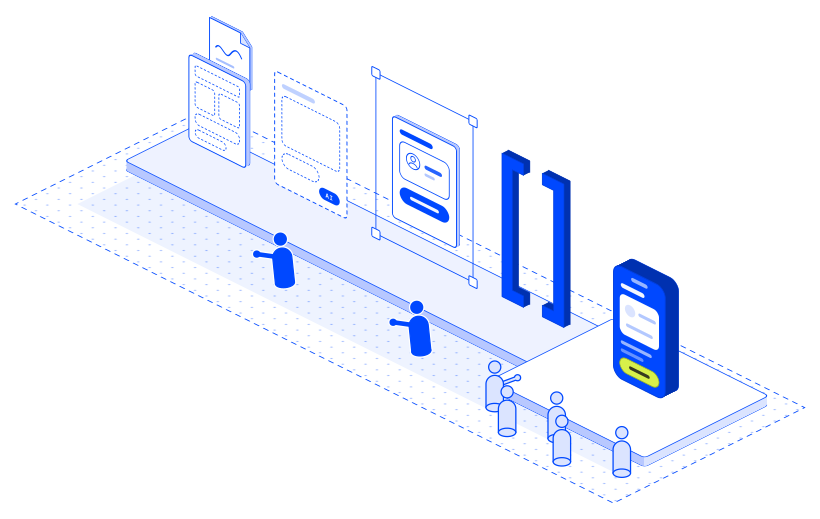
Selected MVP and new product work
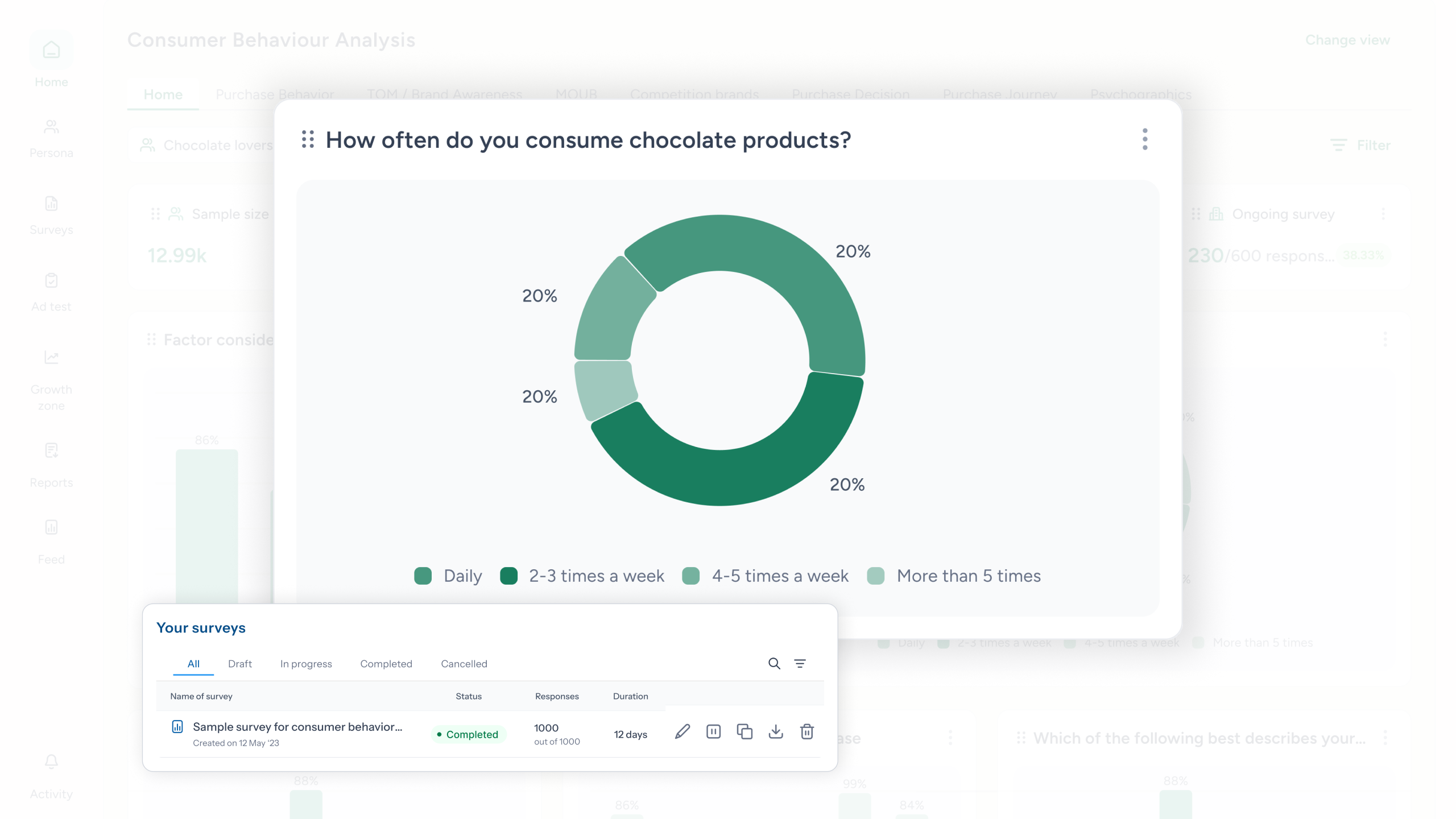
Novus Insights: AI drafts the questionnaire, the researcher owns it
Novus Insights wanted a survey product where AI writes the starting questionnaire. Interviews showed that the researcher must stand behind every question their audience sees. In the MVP we designed, each generated question shows its prompt, and a rewritten one keeps the AI's original beneath it.
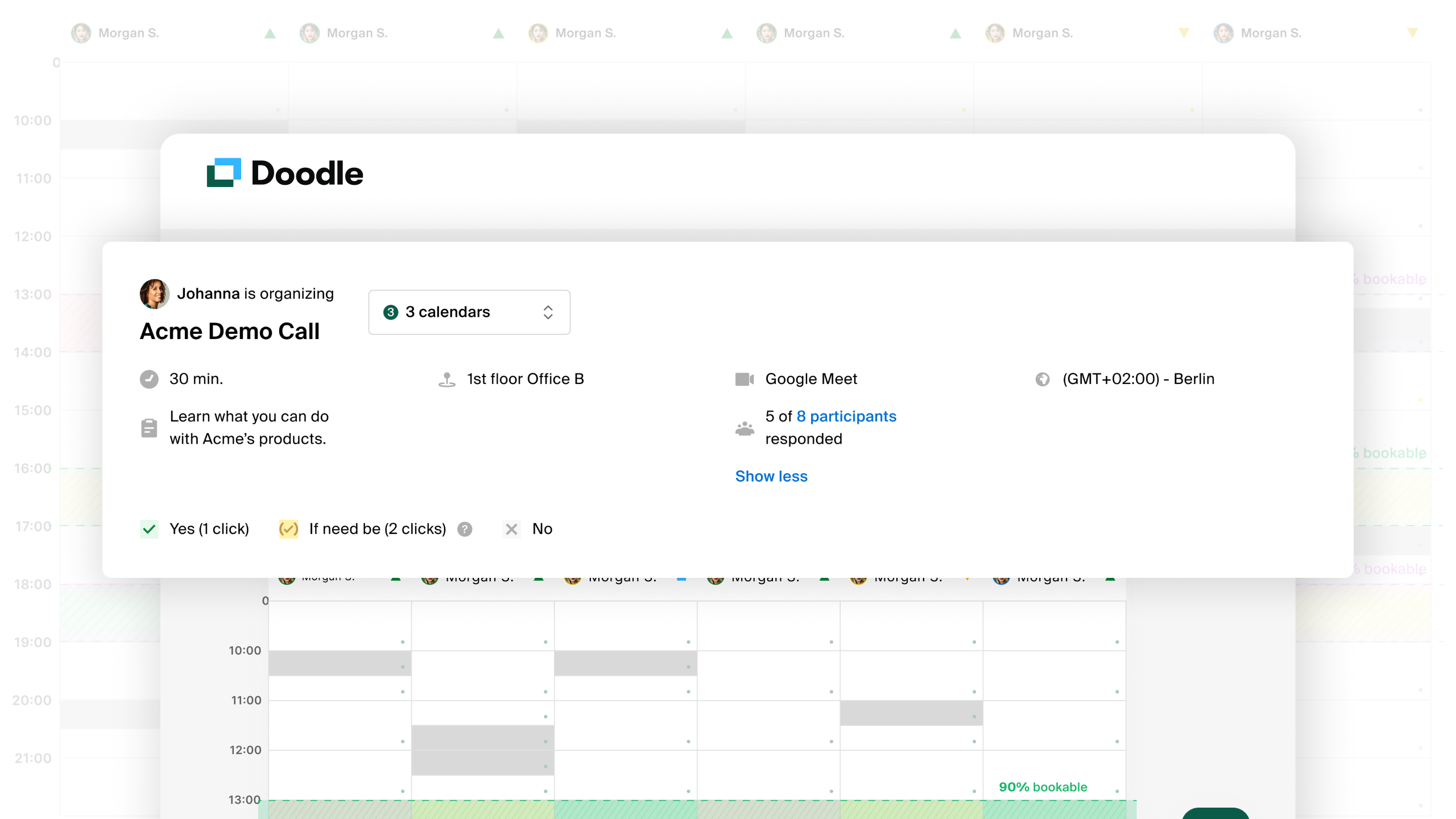
Doodle: research redrew the MVP before the build
Doodle was exploring scheduling for enterprises. An interview revealed that whether someone is free depends on the meeting's priority. The MVP then moved from finding an empty slot to judging whether a meeting will hold, scored on meeting type, priority and tentative plans.
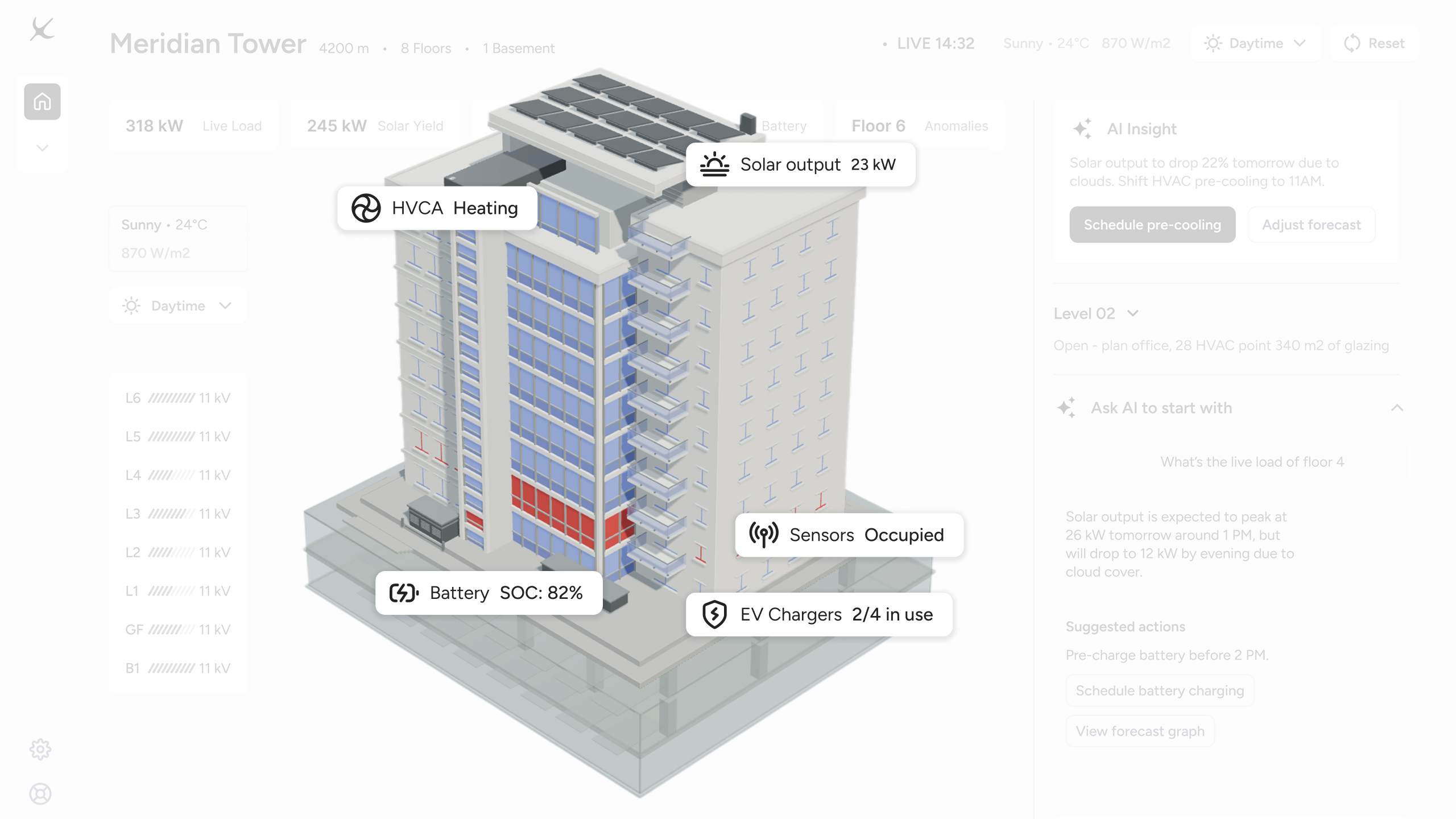
ConnectX: early ideas to a live AI product
ConnectX came with early concepts for an AI building-energy product. We shaped them into eight scenarios built on the questions its users ask and tried the product in a coded demo with sample data. We then carried it through to a production module, live since late 2025.
What you get from our MVP design and development
Bring an idea, research, designs or a prototype built with AI tools; we start from what exists. A new product inside an established company is shaped around your existing systems and teams.
Who does the work
A senior designer leads and designs it, with an account lead as your contact. Specialists join as each part needs them.
What we need from you
Whatever exists, from a pitch deck to a working prototype, someone who can make the product decisions, and access to people who match your first customers.
Where our part stops
Once the work is paid for, the code is yours, and you decide when to launch. Payments and health data raise the bar, so specialist checks such as a security review go into the release plan from the start, each with an agreed owner.
What an MVP should include: five choices
A prototype is quick to make now. Getting customers to rely on it starts with the decisions below. Left to a tool, each becomes a plausible default.
Who it's for, and the one job it does
The customer, the task they can finish, and what counts as done.
What the first release leaves out
Features that wait, written down so they stay out.
Who can do what
Roles, invitations and permissions: who can see, change and approve each thing.
Where the data comes from
What the product stores, takes from your other systems and shows a new account.
What happens when something goes wrong
A declined card, a task left halfway, two people editing one record.
A product with AI at its core adds a sixth: what it may do on its own, and where a person signs off. Our guide to showing each role why the product is worth using goes further on the first.
Which kind of MVP help do you need?
A demo has to work for the person showing it; a first release has to work for strangers, with their own accounts and money. In its study of apps made with AI app builders, Escape.tech reported more than 2,000 highly critical vulnerabilities and more than 400 exposed secrets across about 1,400 applications.
MVP design and build with Tcules
Product definition, tested designs, the build and launch support from one team
Best for
An idea or prototype that has to become a product customers rely on, with little or no engineering team yet
- Product design only
A defined first release and designs your engineers build from, with our designers reviewing the build
Best for
Teams that already have engineers ready to build
- Prototype Readiness Review first
A review of one core flow in an AI-built prototype: what holds up and what to rebuild
Best for
A vibe-coded prototype when you're unsure how much of it can carry real users
- SaaS web app development
Engineering from designs that are already agreed and tested
Best for
A first release that is already defined and designed
Hiring your own team
Designers and engineers who belong to your company from day one
Best for
Companies with time to hire before launch and a clear product direction
What clients say
Three ways to work with us
Not sure which suits you?
Tell us about the product, and we'll suggest one.
Why founders and product teams choose Tcules
Fluent in SaaS
Roles, permissions and data-heavy screens need no explaining to us.
Idea to launch
Bring an idea or your own prototype. Designers lead it through to launch.
Craft people notice
Your product stands out from lookalike software and feels effortless to use.
Evidence before screens
We test your assumptions with real users before they become expensive mistakes.
Seen your problem before
Senior designers who've solved problems like yours lead your product and do the work.
Start small
An optional fixed-price pilot lets you try us first, and ongoing work has no minimum term.
Tell us about the MVP you want to build
An idea, a pitch deck or a prototype someone built over a weekend. Bring what you've got.
Questions about MVP design and development
What is the difference between MVP design and MVP development?
MVP design decides what the first release does, who it serves and how each screen behaves, failures included. MVP development builds it: sign-in, data, payments and the rest, tested before launch. Tcules does both, or designs the MVP for your own engineers to build.
What is your MVP design process?
We read what you already have, then define the users, roles, core workflows and what the first release includes and leaves out. We test the riskiest part with designs, user tests or coded experiments before the build, then build, launch and support the release.
How long does it take to design and build an MVP?
A focused first release often takes a few months from kickoff; larger products and rougher prototypes take longer. Design takes a few weeks and the build a few more. We agree dates with you once we've seen your idea or prototype.
Can you turn our vibe-coded prototype into a real MVP?
Yes, and how much of the code carries over depends on how sound it is. A prototype from Lovable, Bolt, Replit or Cursor already shows how the product should work, so Tcules keeps what holds up and rebuilds what can't carry real users and data. Is your vibe-coded app ready for production?
Why do apps built with AI tools all look the same?
The tools start from the same kits and fill every gap with the most common choice. Tcules designs from your customers' tasks and your brand instead.
Do we need customer research before we start?
You can start without it. Tcules builds on what you already know about your customers, and adds research where the riskiest assumption is still untested.
How much does MVP development cost?
The cost depends on what the first release must do, so Tcules prices MVP work as a defined project. We set the price on the agreed scope of the first release, before work starts. How pricing works
Who owns the code and the launch?
Once the work is paid for, the code and designs Tcules makes for you are yours, and anything from other makers comes with a licence spelled out in the agreement. Before work starts, we agree who holds access and who runs the launch, and the final decisions stay with you. Who owns what