FinTech UX design for lending and payments, with each status explained
In lending, payments and business finance, our FinTech UX design gives every decline a reason and every failed payment a way forward.
2017
Founded
90+
Projects
19
Countries with clients
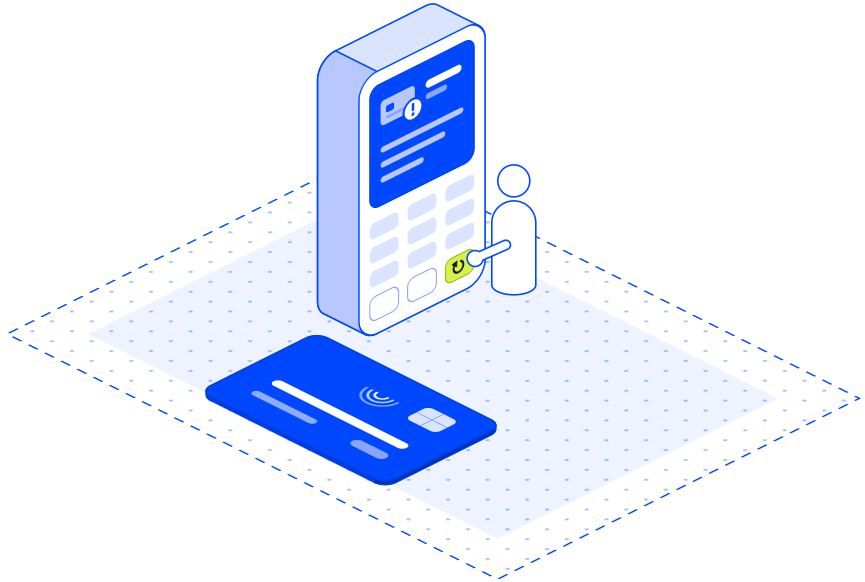
What we design in FinTech
For founders and product teams in finance, from a first app to one already live with customers.
Mobile lending apps, from sign-up to loan issuance
OctiFi
Payment apps for small shops and the people who run them
Researched for a merchant payments client
Business finance tools for spending, approvals and payouts, including finance inside SaaS products
Each approval shows its limit and who signs next
Staff review screens for identity checks, credit approvals and fraud cases
Each case with its evidence and the reviewer's limit in view
Banking and money management apps for balances, transfers and savings goals
One meaning for every status
Insurance quote, claims and underwriting tools
Cover explained before anyone pays
FinTech and related UX design work
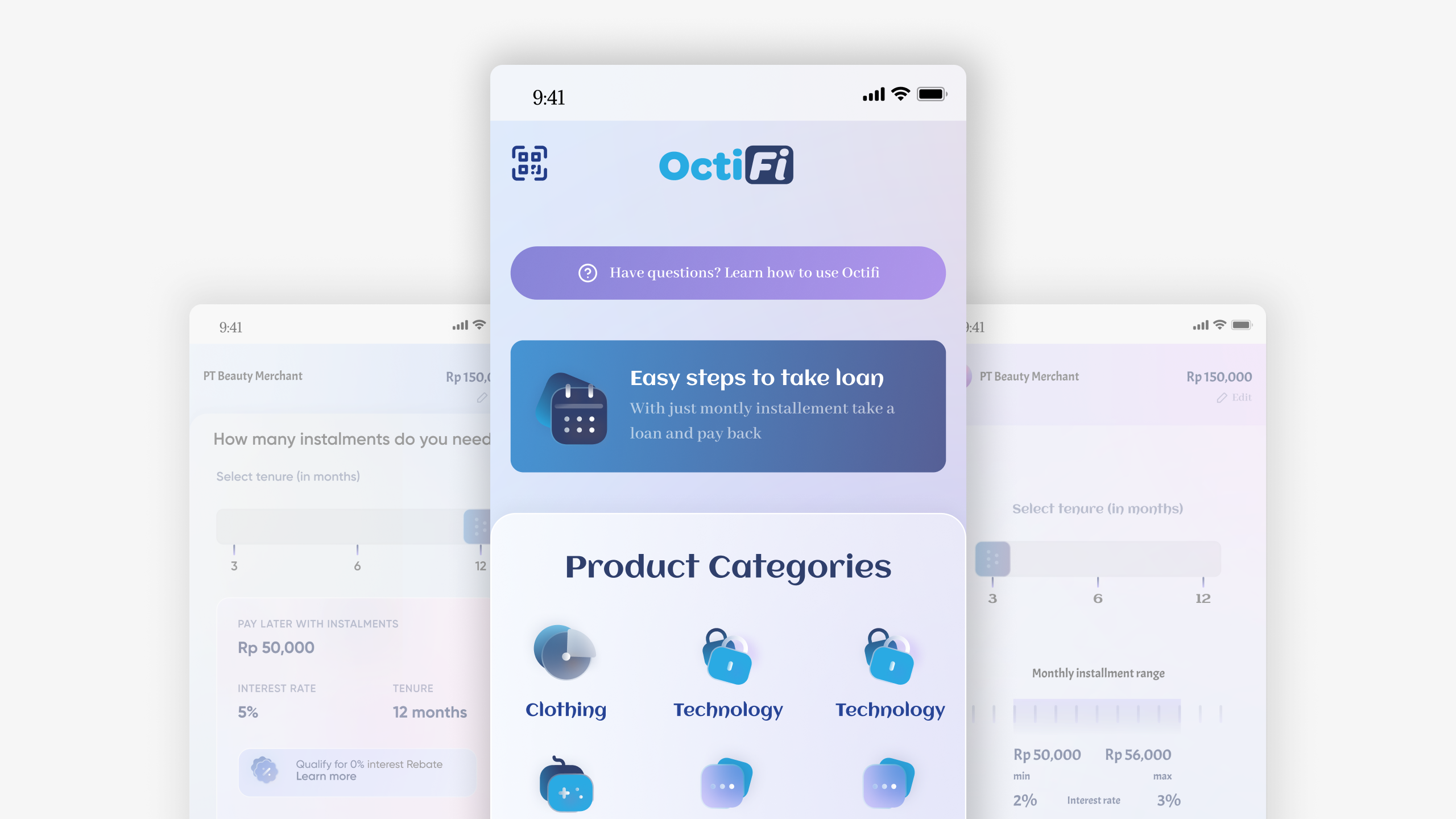
OctiFi: lending flows prototyped with realistic figures
OctiFi was preparing its mobile lending app for a second market. We designed onboarding, loan issuance and new features in rough wireframes first, then in prototypes with realistic figures that product, engineering and marketing could review before anyone invested in code. OctiFi handled engineering, lending policy and regulation.
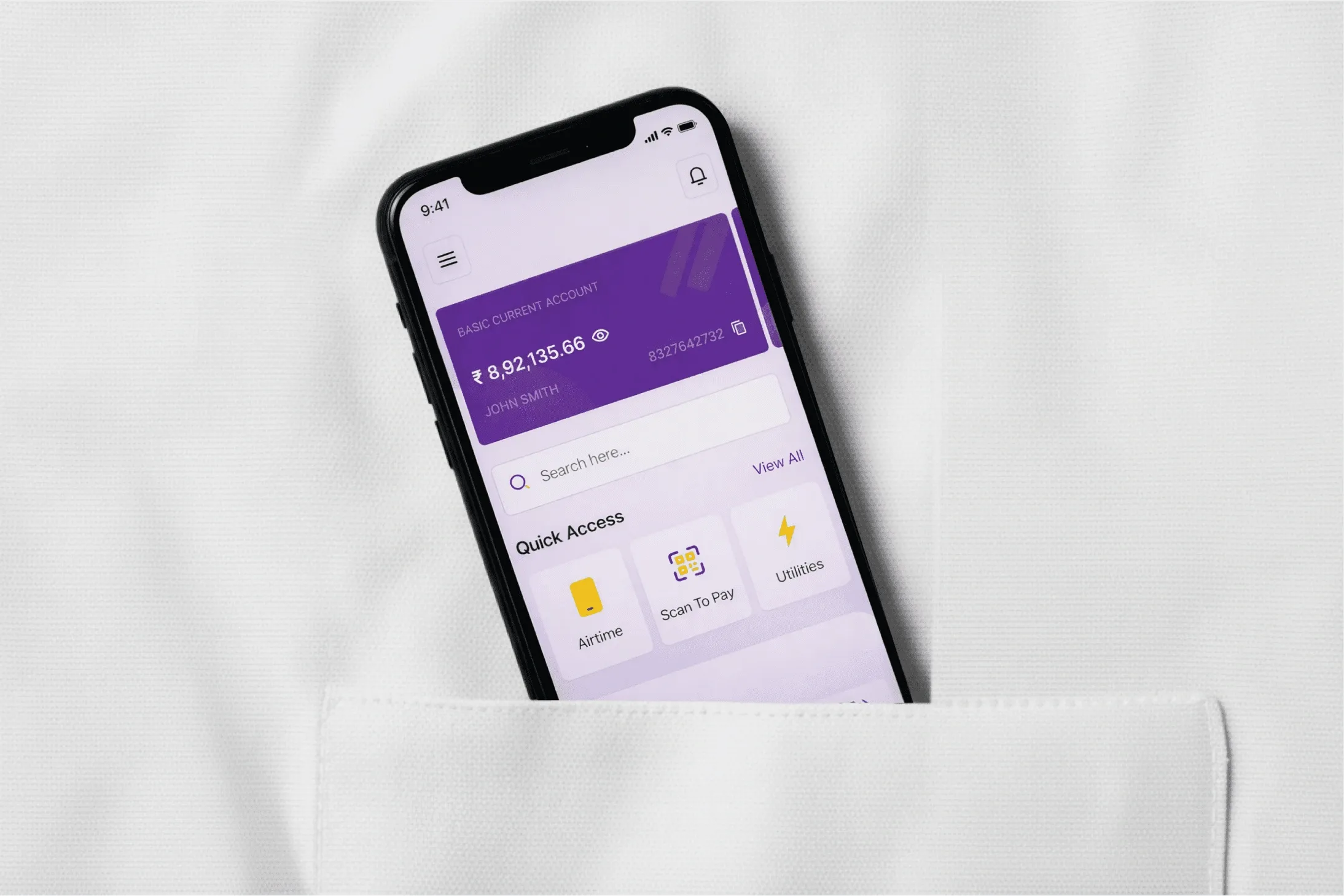
Merchant payments: twenty interviews before any build
A client planning a payment app for kirana stores, India's neighbourhood grocery shops, had to choose which merchant problems to fund. Twenty interviews, alongside stakeholder, competitor and app-store research, became product priorities and a UX strategy while changing direction was still cheap.
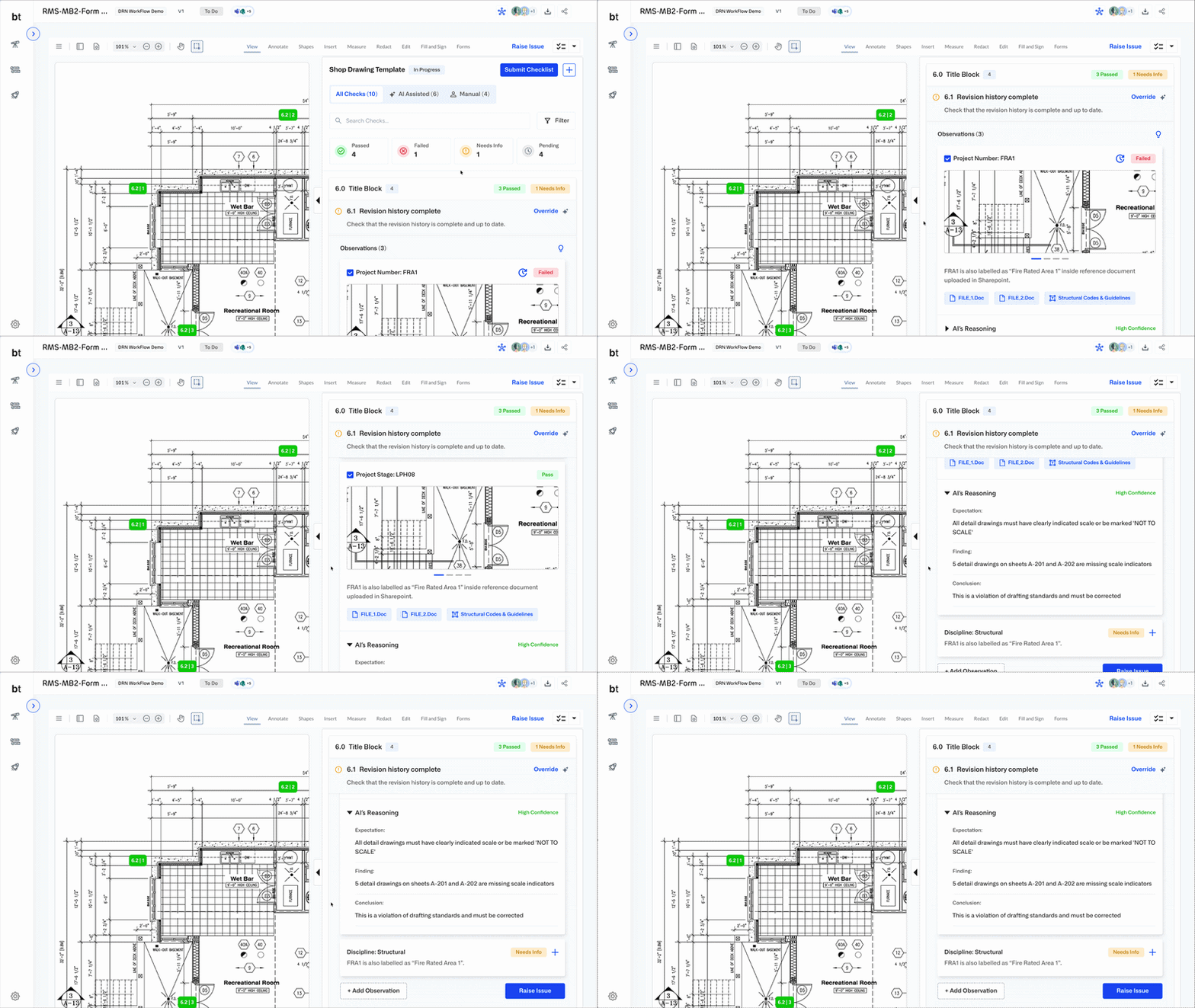
BuildTwin: every override recorded with its reason
In BuildTwin's structural-engineering software, a quality engineer signs off each drawing the AI has checked and must defend the decision. In the redesign, every check shows its source, and changing a result takes a reason that stays on the record, as a credit or fraud reviewer's would.
FinTech app design for approvals, statuses and money in motion
Every status tells someone about their money, several people act on one application, and the rules limit what each screen says. So we map every state a loan, payment or claim can reach before drawing any screen.
What you get when Tcules designs your FinTech product
We take on the customer journeys and the staff screens behind them, for a new product or a live app.
Who does the work
One senior product designer leads it and designs the screens, and an account lead keeps it moving. A researcher joins when a concept needs testing with customers, and design engineers or developers when the work moves into code.
What we need from you
Your compliance or risk lead's time on wording and decline reasons, and the policy rules behind each status. We also need the support calls each status causes, time with customers and with the staff who review cases, and the person on your side who makes product decisions.
Where our part stops
Lending policy, credit models, fraud rules and regulatory sign-off stay with your compliance, risk and legal teams; our designs present their rules clearly. Payment integrations stay with your engineers unless Software Development builds with you.
A concept that needs testing with real users first can start with UX Research or Prototyping & Usability Testing.
What clients say
Three ways to work with us
Not sure which suits you?
Tell us about the product, and we'll suggest one.
Tell us what you’re working on
Why founders and product teams choose Tcules
Fluent in SaaS
Roles, permissions and data-heavy screens need no explaining to us.
Idea to launch
Bring an idea or your own prototype. Designers lead it through to launch.
Craft people notice
Your product stands out from lookalike software and feels effortless to use.
Evidence before screens
We test your assumptions with real users before they become expensive mistakes.
Seen your problem before
Senior designers who've solved problems like yours lead your product and do the work.
Start small
An optional fixed-price pilot lets you try us first, and ongoing work has no minimum term.
Tell us which status sends customers to support
Share the product, the step and roughly how often it happens.
Questions about FinTech UX design
Do you make sure our product is compliant?
Your compliance and legal specialists decide what the rules require, and Tcules designs every screen to those requirements: what to ask for, when to explain it and how to show the result. The design makes their rules clear to the customer and to your staff.
How should an app explain AI credit decisions and agent payments?
Give the main reasons in plain words, what the customer can do about each and a route to a person, within limits your compliance team sets. When an agent pays for someone, show what they allowed, a receipt naming the agent and a way to dispute it.
Do you design banking and money management apps?
Yes. Balances, transfers, cards and savings goals need what lending and payments need: one meaning per status, a reason for every block and a clear next step. We design the customer app and the staff tools behind it together.
Can a designer work inside our FinTech team?
Yes, as an ongoing partnership: a senior Tcules designer works in your tools and channels next to your product and engineering people. OctiFi's first design assignment grew into continuing design work on its app. See how ongoing work is set up