Prototype readiness review for AI-built apps heading to real customers
In about two days, at a fixed price, a senior designer and an engineer test one key flow the way real users will, and show you what breaks before launch.
Already live with customers? See the UX & Product Audit.
2017
Founded
90+
Projects
19
Countries with clients
You built a prototype with Lovable, v0, Bolt or Replit, and it demos beautifully. But is it dev-ready yet? We can help you find out. Our team, a designer and an engineer, audits your prototype and marks what it takes for granted, screen by screen. Then we give you a decision on every screen: preserve it, harden it, replace it or retire it. We are the bridge between your idea and the reality. This example is illustrative; nothing in it is a real client’s product.
What you get from a prototype readiness review
Who does the work
A senior designer leads; an engineer checks how the app holds up under real use.
Where our part stops
Launch timing is yours; security and compliance sign-off goes to a qualified specialist, yours or hired.
How a prototype readiness review runs
Agree the flow and the price.
One call to pick the flow, such as sign-up to first payment, then a link and test logins.
Use it as each of your users.
We work through the flow as every kind of user.
Try what a demo skips.
Failed payments, double taps, locked-out users, two people editing one record.
Mark every part, order the work.
Each part gets its status, and we walk you through the plan.
Example
What the report looks like
A two-person team built a booking app for physio clinics with an AI app builder, and three clinics want to pay next month.
Sign-up and sign-in
Status
ProvenWhat we found
Owners and staff signed up and reset passwords
What happens next
Keep as built
Staff permissions
Status
AssumedWhat we found
Every staff login sees every patient's bookings
What happens next
Agree roles with the clinics
Deposits
Status
MissingWhat we found
A failed card still books; a double tap charges twice
What happens next
Fix before launch
Alerts after launch
Status
ParkedWhat we found
Nobody hears when bookings stop saving
What happens next
Add in the first month
Patient notes
Status
For a specialistWhat we found
Who can read them, and where they are stored
What happens next
A named security specialist
| Area | Status | What we found | What happens next |
|---|---|---|---|
| Sign-up and sign-in | Proven | Owners and staff signed up and reset passwords | Keep as built |
| Staff permissions | Assumed | Every staff login sees every patient's bookings | Agree roles with the clinics |
| Deposits | Missing | A failed card still books; a double tap charges twice | Fix before launch |
| Alerts after launch | Parked | Nobody hears when bookings stop saving | Add in the first month |
| Patient notes | For a specialist | Who can read them, and where they are stored | A named security specialist |
The double charge goes first, because it costs a clinic money on day one.
Get a report like this for your prototype
Selected work from prototype to launch
The review is a new offer. Its judgement comes from work like this: a demo taken to production, prototypes tested by engineers and an MVP made ready for development.
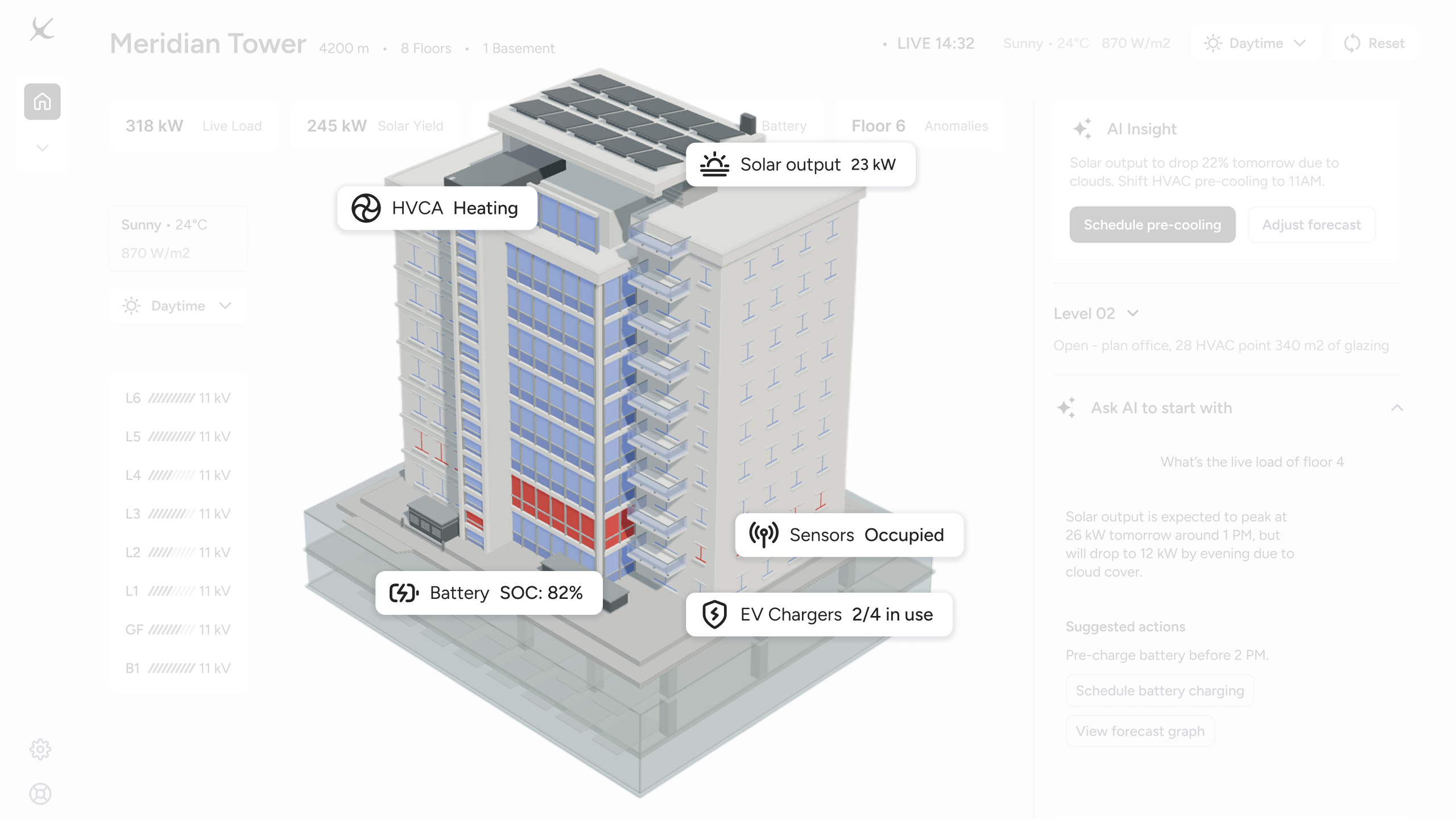
ConnectX: a coded demo taken through to a live module
The coded demo for this building-energy product ran on sample data, and it made plain what a live version would still need to connect. We then took it through to a production-ready module, live since late 2025.
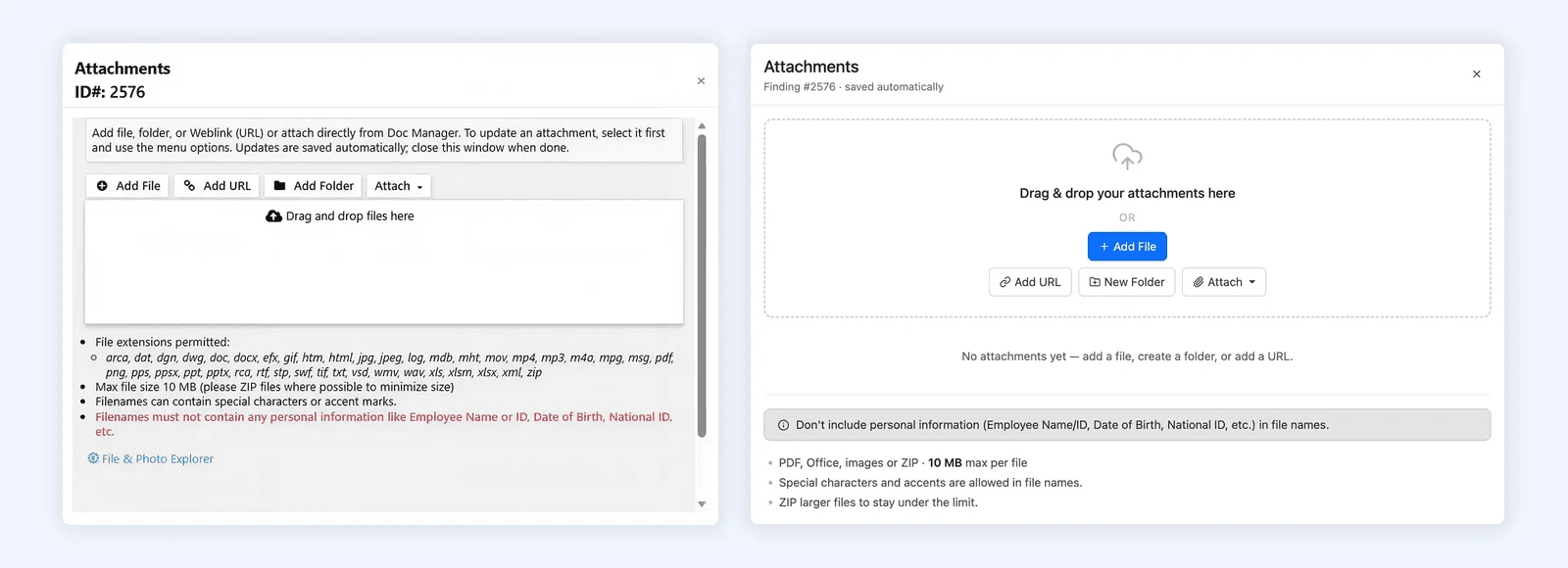
Benchmark Gensuite: engineers judged the design while it could still change
Our coded prototypes of the suite's shared patterns let Benchmark's engineers judge whether the design could be built before wider implementation. One engineer asked about drag and drop during design review, early enough for the team to act on the answer.
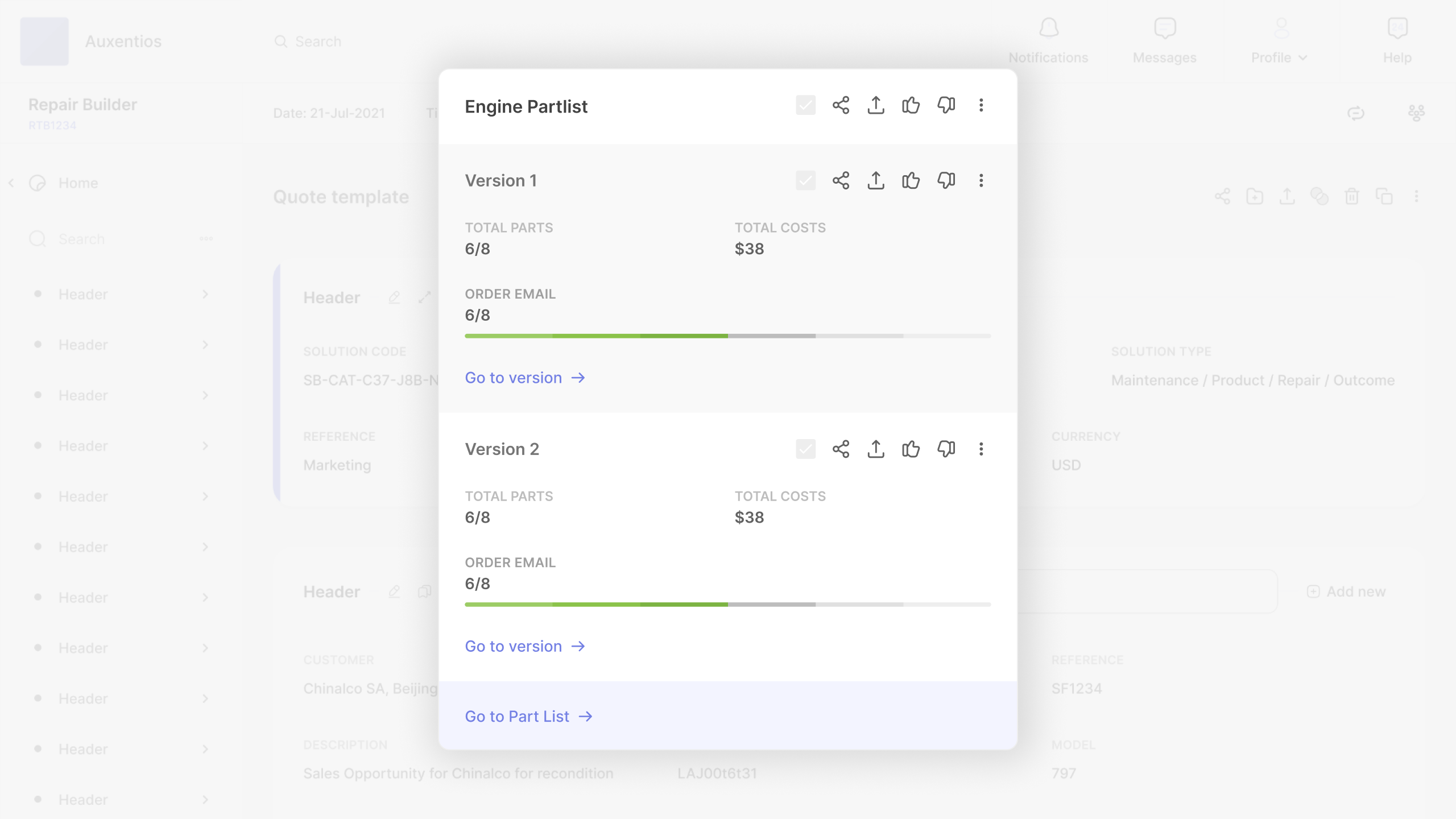
Auxentios: an MVP made ready for development
Eight interviews mapped how six specialist roles add to one industrial quotation. Auxentios came away with one shared quotation workflow, ready to take into development, and an interface system for a product planned to run to more than 200 screens.
What clients say
Why founders and product teams choose Tcules
Fluent in SaaS
Roles, permissions and data-heavy screens need no explaining to us.
Idea to launch
Bring an idea or your own prototype. Designers lead it through to launch.
Craft people notice
Your product stands out from lookalike software and feels effortless to use.
Evidence before screens
We test your assumptions with real users before they become expensive mistakes.
Seen your problem before
Senior designers who've solved problems like yours lead your product and do the work.
Start small
An optional fixed-price pilot lets you try us first, and ongoing work has no minimum term.
After the review
Whoever builds your product can work from the plan, or we can carry it into a first release through Design-led MVP Development.
Find the gaps before your customers do
Share a link or a short screen recording, who it's for and when you'd like customers using it.
Questions founders ask about a prototype readiness review
What is a prototype readiness review?
It is a fixed-price review of a working prototype, built with AI tools or by hand, before it takes on paying customers. It shows what the demo has proved, what is still assumed or missing, and the work before launch in order. Some call it an AI prototype review, a vibe-coded app audit or a prototype to production assessment.
Is my vibe-coded prototype ready for paying customers?
It is ready when sign-in, permissions, payments and failures hold up under real use, beyond the happy path. Most prototypes have some of those proven and others only assumed. The review marks which is which, so you know the work left before launch. Our article covers where vibe-coded apps break first.
Can we keep the code our AI tools generated?
Some of it, yes. The review itself can start from a link or a screen recording. Given access to the code, we check how it is organised and which libraries it relies on, then show which parts are safe to build on and which need restructuring.
Can the review cover more than one flow, or read the code?
Yes. More flows, or a reading of the code, take longer and get their own fixed price, agreed with the dates.
Who signs off security and compliance?
Security and compliance sign-off belongs to specialists, in your team or brought in for the job. Tcules flags every security, infrastructure and compliance question it finds and names who should own it.
Is the review only for a vibe-coded prototype?
It covers any prototype heading for paying customers. An AI-built app review, of a prototype made in Lovable, Bolt, Replit or a similar tool, runs like one of a hand-coded or low-code prototype. Each has to handle real accounts, data and payments.
The more a prototype already does, the more precisely the review shows what is ready and what is still a demo.
Can you review a new module inside an established product?
Yes. Established companies bring prototypes too, often a new module that has won support internally and now has to meet the rest of the product. We review how it fits the product around it as well.
Can you fix our vibe-coded app after the review?
Yes. Our designers and engineers can take the plan into a first release, keeping the code that is safe to build on. Your own engineers can work from the same plan just as well.